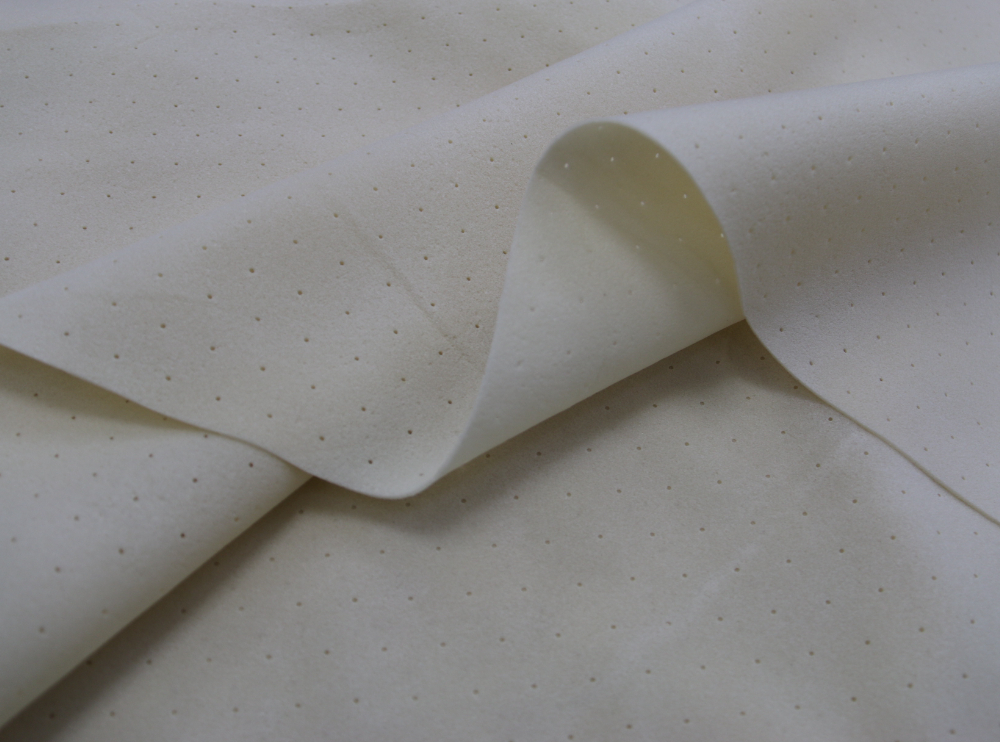


Aerogel is a lightweight, highly porous material known for its excellent insulation properties. It is created by replacing the liquid in gel with gas, resulting in a solid that contains up to 99.8% air.
Consider the specific application of the aerogel fabric in your clothing, whether for outdoor gear, thermal undergarments, or fashionable outerwear.
Choose fabric thickness and insulation levels based on the climate where the clothing will be used, ensuring optimal comfort and performance.
Research suppliers to ensure that they offer high-quality products from reputable manufacturers, like Nano Tech, a leading China Aerogel Manufacturer.
Contact suppliers to request samples of different aerogel fabrics to assess their texture, weight, and insulation properties.
Perform personal tests on the samples in relevant environments to evaluate their performance before making a wholesale purchase.
Gather the following tools to work with aerogel fabric:
Before you start, pre-wash and dry the fabric if necessary to prevent shrinkage. Lay out all tools and materials.
Avoid exposing aerogel fabric to high humidity before use, which can affect insulation performance.
Ensure the weight of fabric chosen matches your intended use; too heavy can be cumbersome, while too light might offer insufficient insulation.
Weigh all considerations, including performance tests, fabric types, and sewing capabilities before making your purchase.
Reach out to a trusted manufacturer like Nano Tech for your aerogel fabric needs, ensuring you receive high-quality products directly from a leading provider in China.
For more information on aerogel fabrics and to see our product offerings, please visit Nano Tech.

Previous:
Aerogel Fabric vs Traditional Fabric

Next:
Aerogel Fabric Uses in Wearable Tech


 Русский
 Italiano