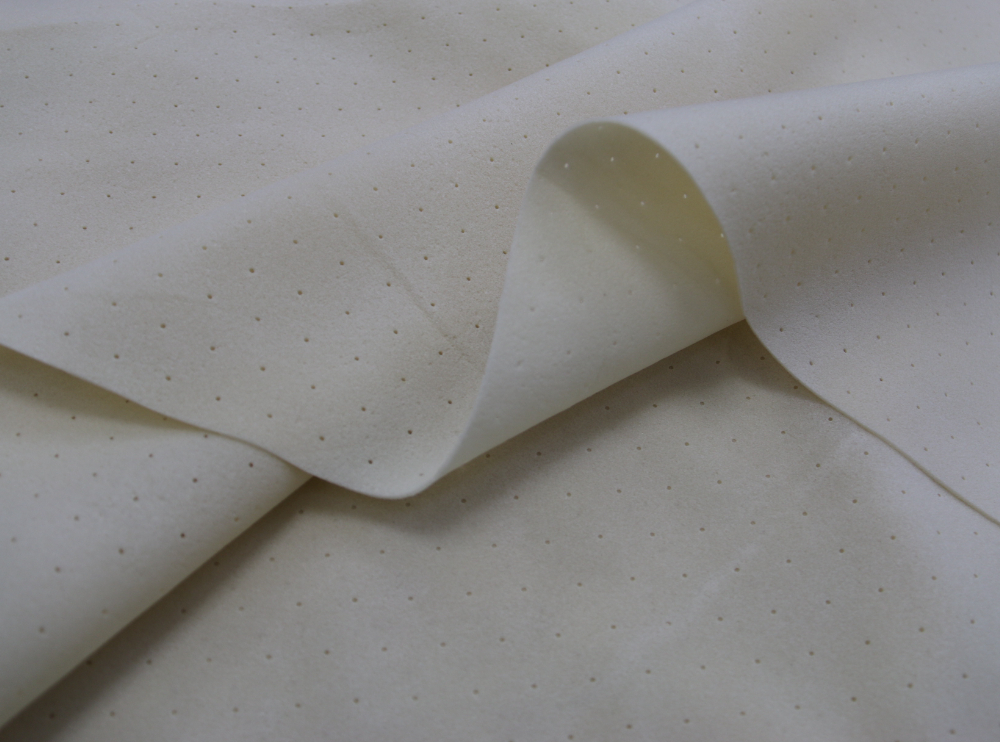


Choosing the right aerogel fabric can significantly enhance your project’s efficiency, whether you’re a rookie in material selection or an experienced engineer. This guide not only simplifies the decision-making process but also ensures that you make informed choices aligned with your project goals. By leveraging insights from a leading China Aerogel Manufacturer, this article walks you through each step of selecting aerogel fabrics, ensuring you implement best practices effectively.
When embarking on the selection of aerogel fabric, focus on these critical steps:
Understanding the specific needs of your project is paramount. Consider the following:
By clearly defining your project's requirements, I found that it becomes far easier to narrow down your options effectively.
When it comes to aerogel fabrics, various materials such as silica, polymer, and carbon aerogels each serve distinct functions. Explore the options from a China Aerogel Factory and consider:
I recommend consulting technical datasheets from suppliers like Nano Tech to understand the specifications and capabilities of each material type.
Quality matters; hence, I advise confirming that the aerogel you choose complies with international standards such as ASTM C177 for thermal conductivity testing or ISO 9001 for quality management. Implement rigorous testing protocols to ensure that the material can withstand the specific conditions of your application.
Additionally, visit the Nano Aerogel Tech website to view quality certifications that showcase compliance and precision manufacturing methods, ensuring your product is reliable.
Once you’ve identified your ideal aerogel fabric, initiate the procurement with these guidelines:
With the material secured, focus on a seamless implementation:
Consider a case where a company successfully implemented a silica aerogel insulation blanket in their buildings, achieving a 30% reduction in energy costs. This increase in efficiency not only saved money but underscored the substantial performance benefits of aerogel over traditional insulation methods.
While selecting and working with aerogel fabrics may present challenges such as high costs or limited applications, remember:
In conclusion, selecting aerogel fabric involves a detailed approach that encompasses understanding your project requirements, exploring various materials, ensuring quality compliance, and executing a structured procurement and implementation process. By following these steps thoughtfully, not only will you maximize the benefits provided by advanced aerogel technologies, but you will also position your project for success in a competitive market.
I encourage you to take action by reviewing your material selection today and integrating these insights from a trusted China Aerogel Factory into your next project. With the right knowledge and tools, the potential for innovation is vast.

Previous:
Creative Uses of Aerogel Fabric

Next:
Aerogel Fabric Care and Maintenance Tips


 Русский
 Italiano