




Aerogel coatings have gained remarkable attention in various industries due to their exceptional thermal insulation properties and lightweight nature. As a leading China Aerogel Manufacturer, we understand the complexities involved in selecting the right aerogel coating for specific applications. This guide outlines vital considerations, selection criteria, and steps to help you make an informed decision, ensuring optimal performance and outcomes for your projects.
Aerogel is a highly porous material made from gel, in which the liquid component has been replaced by gas. It offers low density and excellent thermal resistance.
There are several types of aerogel coatings, including silica aerogels, polymer-based aerogels, and carbon aerogels, each suitable for different applications.
Consider the thermal conductivity of the aerogel. Lower values represent better insulated properties. Refer to ISO 8301 for standards on insulation measurements.
Evaluate the environmental conditions where the coating will be applied, including temperature extremes, moisture, and chemical exposure. This assessment helps in choosing the right aerogel type.
Ensure the selected aerogel coating adheres well to the substrate. Testing for adhesion can prevent issues during application and use.
Investigate the lifespan of the aerogel coating under expected conditions. Materials with high durability will save costs in the long run.
Outline specific objectives, such as energy savings, insulation requirements, and the physical properties desired in the final application.
Utilize reputable sources to assess different aerogel products. Industry reviews, academic papers, and manufacturer specifications are vital.
Before making a bulk purchase, order samples of recommended aerogel coatings and conduct preliminary tests.
Engage with suppliers and industry experts who can provide insights tailored to your specific application needs.
Conduct a cost-benefit analysis to justify the selection of a specific aerogel coating against its competitors.
Aerogel is widely used in insulation panels and coatings for new constructions and retrofitting existing buildings, proving its effectiveness in energy conservation.
In aerospace applications, aerogel coatings provide essential thermal protection to spacecraft and satellites.
Aerogel is increasingly appearing in clothing and domestic products like jackets, which leverage its insulating properties.
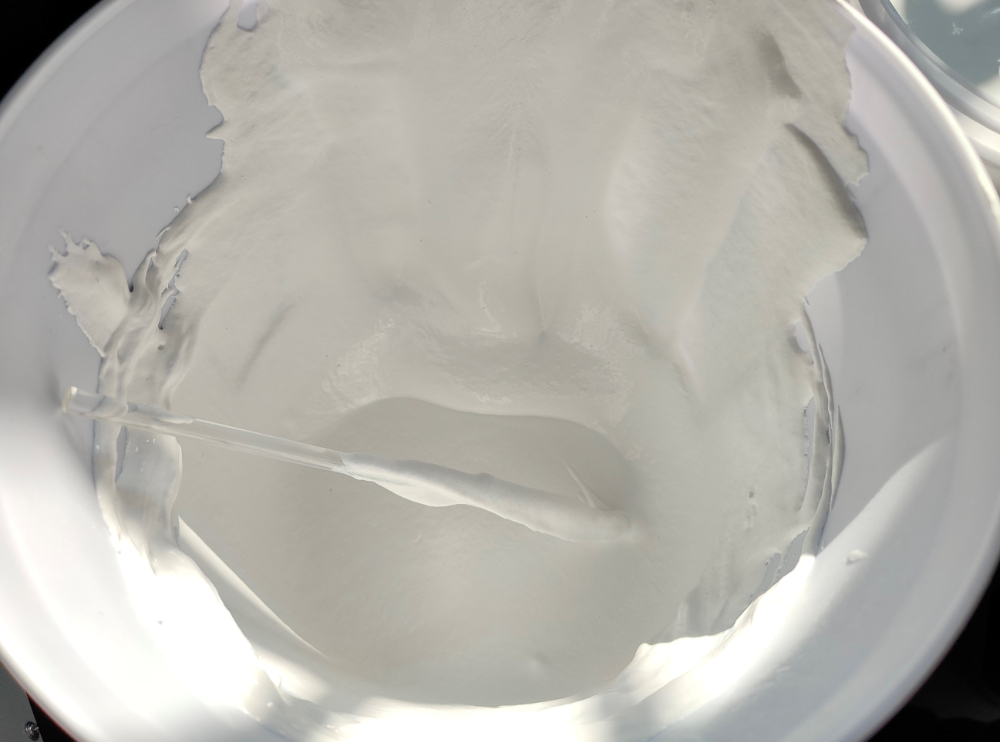
For a clearer understanding of aerogel technology and its applicability in various fields, refer to this image:
The ongoing evolution of aerogel manufacturing promises to enhance properties while reducing costs.
Research into environmentally friendly alternatives for aerogel production is on the rise.
Selecting the appropriate aerogel coating is crucial for achieving optimal performance in your projects. Following the guidance provided can streamline your decision-making process, ensuring you choose a product that meets both your performance requirements and budget constraints. Don't overlook consulting with manufacturers and specialists to tailor the selection to your specific application.

Previous:
Creative Uses of Aerogel Coating

Next:
Aerogel Coating Maintenance Tips


 Русский
 Italiano