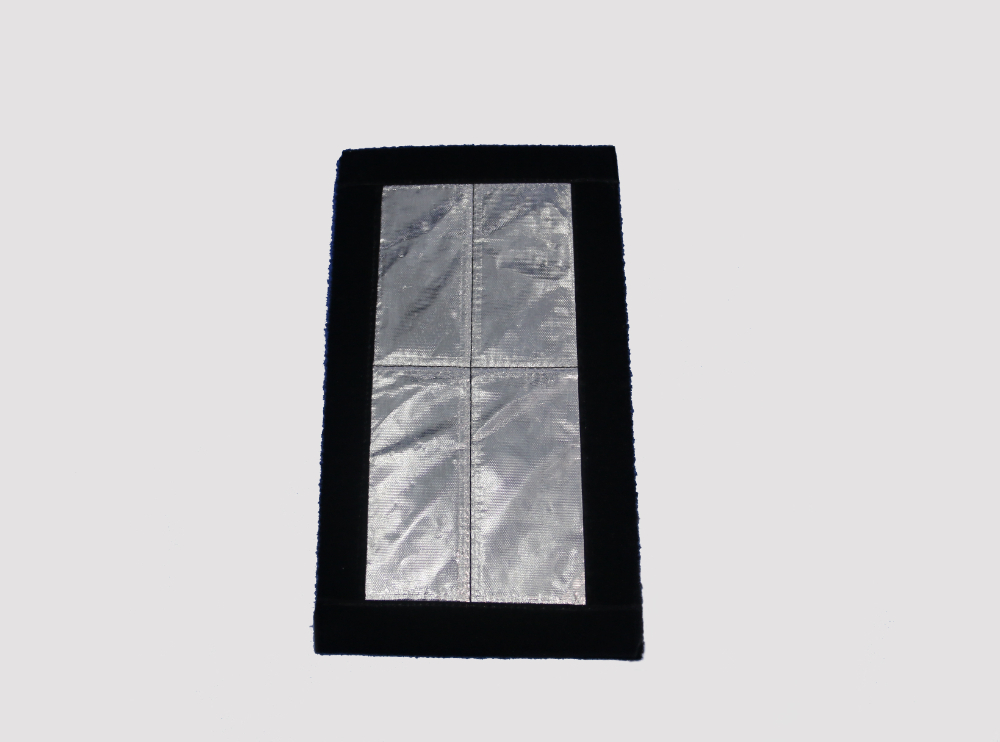


Aerogel is a highly porous material known for its low density and thermal insulation properties. It is created by replacing the liquid in a gel with a gas, resulting in a solid material that is both lightweight and effective at insulating against heat.
Traditional panels typically consist of materials like fiberglass, foam, or polystyrene that offer varying levels of insulation and are widely used in construction and manufacturing.
| Parameter | Aerogel Sheets | Traditional Panels |
|---|---|---|
| R-Value | Up to 10.3 per inch | 2.0 - 4.5 per inch |
| Weight | 0.03 - 0.5 lb/ft2 | 1 - 3 lb/ft2 |
| Moisture Resistance | High | Moderate (varies by type) |
| Temperature Resistance | -200°C to 800°C | -50°C to 100°C |
Aerogel sheets provide enhanced battery life in applications such as electronics due to their superior thermal management capabilities. Users report stable performance even in extreme conditions, making them a favorite in aerospace and high-tech sectors.
Businesses utilizing aerogel in insulation for buildings report energy savings exceeding 30% due to reduced heat loss. In contrast, traditional panels generally lead to higher energy consumption rates in similar applications.
In conclusion, the choice between aerogel sheets and traditional panels largely depends on specific project requirements, including budget, performance needs, and application scenarios. For those looking to invest in high-quality insulation solutions, Nano Tech offers a range of aerogel products designed to meet diverse industrial demands. Visit us at Nano Tech for more information.

Previous:
Why Aerogel Sheet Is Popular in Aerospace

Next:
How Aerogel Sheet Improves Energy Efficiency


 Русский
 Italiano