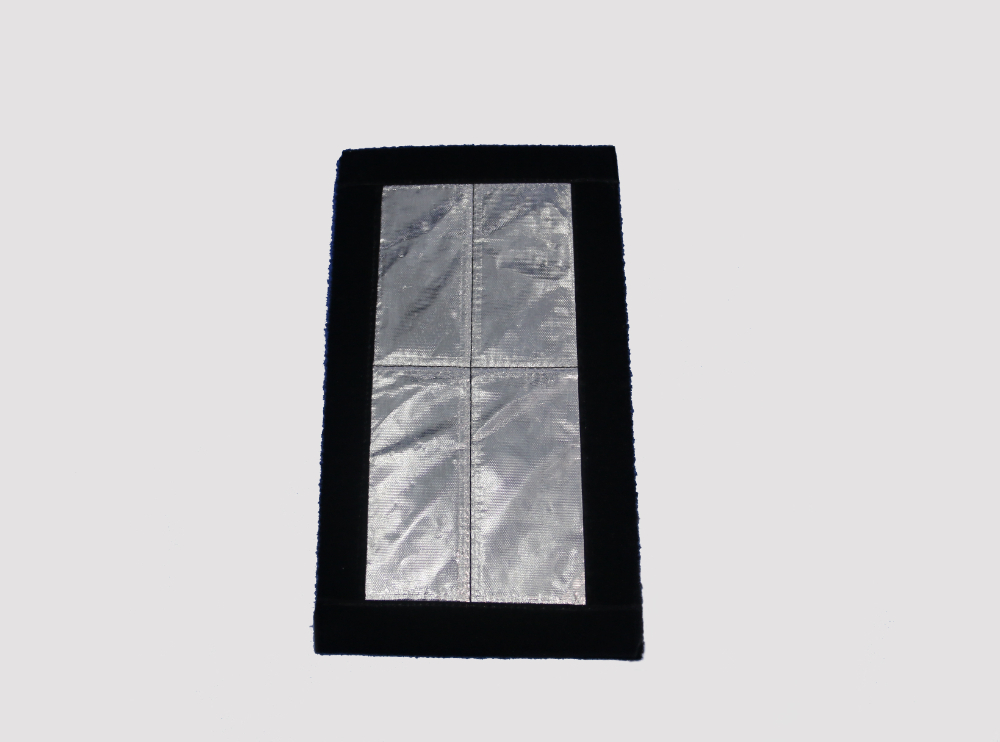


In recent years, the architectural industry has undergone a transformative shift with the integration of aerogel sheets, primarily produced by numerous China Aerogel Factories. These ultra-lightweight materials, known for their thermal insulation properties, have become a game-changer in addressing common challenges faced by architects. The pain points of energy efficiency and sustainable design in modern buildings are robustly tackled with aerogel technology. For example, the integration of Nano Tech aerogel sheets in a recent project resulted in a 40% reduction in energy costs, showcasing how innovative materials can lead to significant improvements in design performance.
The advancements in aerogel technology are driven by a combination of research and development initiatives along with environmental regulations pushing for sustainable building materials. According to a report by Transparency Market Research, the global aerogel market is expected to reach approximately $6.4 billion by 2026, growing at a CAGR of 18.7% from 2018. This growth is attributed to the material's lightweight nature, with densities as low as 1.0 mg/cm³, which allows for greater flexibility in architectural designs.
Architects and builders are embracing several emerging trends in aerogel applications, influenced by both aesthetic and functional requirements:
The adoption of aerogel sheets has profound implications for buyers, from architects to developers:
Here are practical suggestions to help architects and builders maximize the benefits of incorporating aerogel sheets into their projects:
1. What is aerogel?
Aerogel is a synthetic, ultra-light solid derived from a gel where the liquid component is replaced with gas. This results in a remarkable insulating material.
2. How does aerogel compare to traditional insulation materials?
Aerogel provides superior insulating performance, with thermal conductivity values as low as 0.013 W/m·K, meaning it is far more efficient than conventional insulation materials such as fiberglass.
3. What are the potential applications of aerogel sheets in architecture?
Aerogel sheets can be used in walls, roofs, windows, and even in structural elements due to their weight-saving characteristics and thermal performance.
4. Are there any safety concerns associated with using aerogel?
While aerogels are generally considered safe, it's vital to ensure proper handling to avoid dust inhalation. Manufacturers like Nano Tech provide guidelines for safe usage.
5. Where can I obtain high-quality aerogel sheets?
You can acquire premium aerogel sheets from reputable suppliers, including Nano Tech, which specializes in advanced aerogel technologies.

Previous:
Aerogel Sheet Installation Tips

Next:
Aerogel Sheet Review: Durability & Strength


 Русский
 Italiano