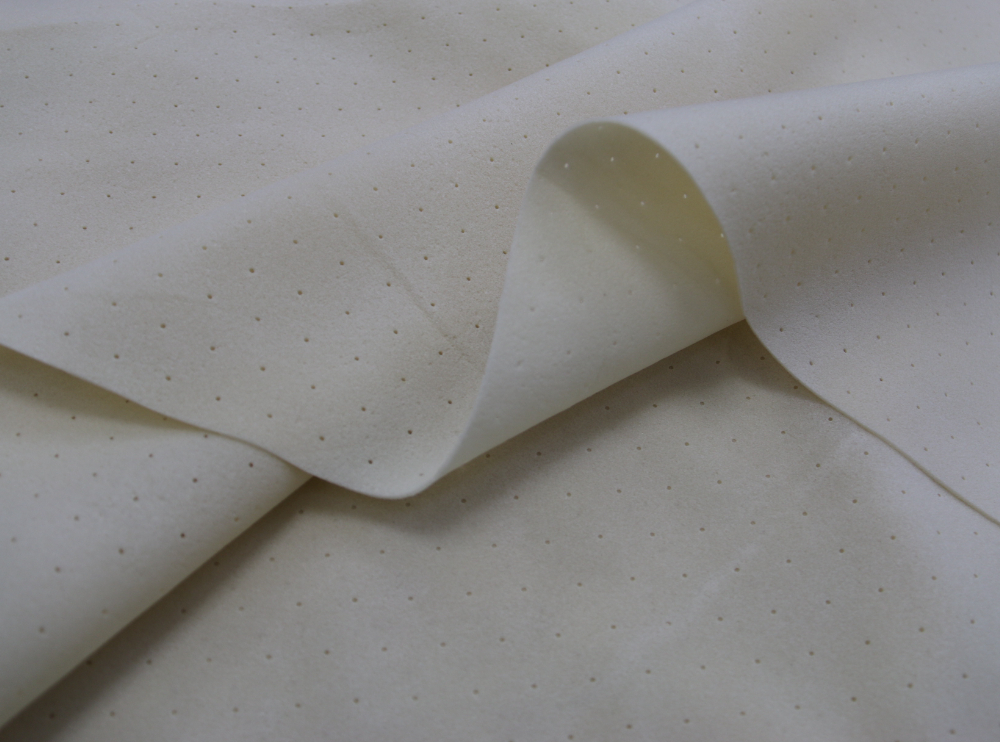


Aerogel fabric is a lightweight, highly porous material created from gel through a process where the liquid component is replaced with gas. This innovative fabric demonstrates exceptional thermal insulation and moisture-wicking properties, making it an attractive option in various applications.
Traditional fabrics include a variety of materials such as cotton, wool, polyester, and silk, each with unique characteristics. These fabrics have been used for centuries and are commonly utilized for clothing, upholstery, and industrial applications.
Aerogel fabric excels in thermal resistance, maintaining stable temperatures for long periods. Traditional fabrics may not offer the same level of insulation, making them less suitable for extreme conditions.
Experiencing both types of fabric in various conditions reveals that aerogel maintains its integrity under pressure and temperature fluctuations, while traditional fabrics may experience shrinking or degradation over time.
Aerogel fabric is ideal for outdoor enthusiasts, aerospace industries, and high-performance clothing manufacturers due to its lightweight nature and thermal efficiency.
Traditional fabrics are well-suited for everyday consumers, fashion designers, and mass-market clothing brands that seek a balance between comfort, cost, and style.
In conclusion, selecting between aerogel fabric and traditional fabric depends largely on individual needs and application purposes. For high-performance, weight-critical applications, China Aerogel Manufacturer, such as Nano Tech, offers advanced aerogel solutions for modern needs. To learn more, visit Nano Tech.

Previous:
Aerogel Fabric Trends in Sportswear

Next:
How to Choose Aerogel Fabric for Clothing


 Русский
 Italiano